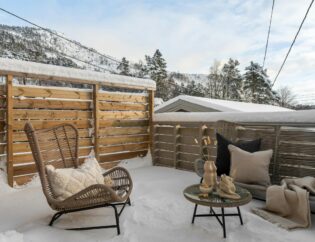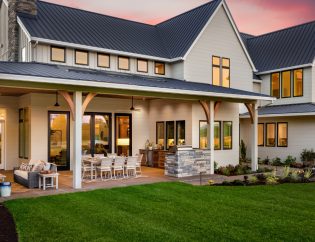
An outdoor kitchen looks incredible in the photos homeowners pull up on Pinterest, but a lot of those designs were never tested against a Colorado Springs winter. Between freeze-thaw cycles, intense UV at 6,000+ feet, and summer hail that shows up out of nowhere, an outdoor kitchen here has to handle more than one built in Texas or Florida ever will. The good news is that with the right layout, materials, and a few design choices most articles skip, an outdoor kitchen can genuinely function year-round instead of sitting under a tarp from October to April. Here’s what actually works.
What Makes an Outdoor Kitchen Design Work in Colorado’s Climate?
The materials matter more here than almost anywhere else, since Colorado’s freeze-thaw cycles put real stress on anything porous enough to absorb water. According to the Concrete Masonry & Hardscapes Association, pavers and hardscape materials rated to ASTM C936 standards are tested for freeze-thaw durability and limited water absorption, which is exactly what separates a countertop or paver base that lasts twenty years from one that cracks after two winters. Beyond materials, the layout matters too. A design that puts the cooking area against a windbreak, whether that’s the house, a fence line, or a planted screen, cuts down on the wind gusts that make grilling miserable on an exposed patio.
Layout Ideas for Small Patios vs. Full Backyard Setups
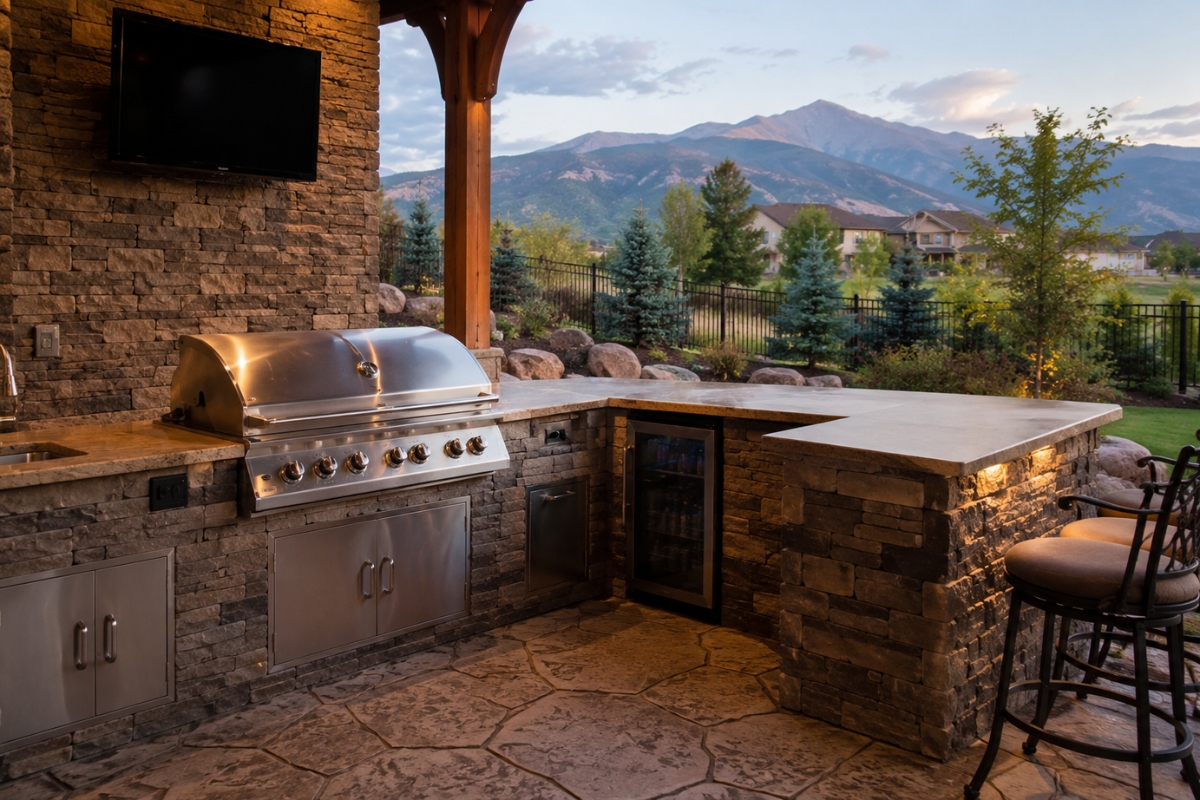
A smaller patio does better with a single-line galley layout, where the grill, counter space, and a mini fridge sit along one wall so the whole kitchen fits without eating into seating space. Full backyard setups have room for an L-shaped or U-shaped configuration that separates cooking from dining, which matters more than people expect once you’re hosting more than four or five people at once. Either way, leave at least three feet of clearance behind anyone standing at the grill, and more if the space also needs to fit a smoker or side burner. The mistake we see most often is homeowners designing the kitchen around the appliances first and the actual flow of a dinner party second.
Should You Cover Your Outdoor Kitchen?
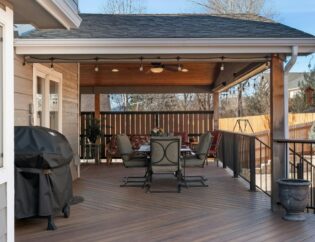
A cover changes what an outdoor kitchen can handle here, and for most Colorado Springs homeowners, it’s worth the investment. A pergola or partial roof cuts UV exposure on countertops and cabinetry, protects electronics and cushions from sudden hailstorms, and extends the number of usable days by giving shade in July and a dry space during a passing shower. Solid roofs offer the most protection but block rain collection and can feel closed in, while a louvered or lattice pergola lets in light while still cutting the harshest afternoon sun. If budget only allows one upgrade to an otherwise open kitchen, a cover is usually the one that gets used every single day it’s in place.
Lighting and Ambiance That Extends the Season
Good lighting is what turns an outdoor kitchen from a summer-only space into something used well into fall. Task lighting over the cook space matters most, since grilling after sunset without it is a genuine safety issue, not just an aesthetic one. String lights add ambiance for dining, while low path lighting keeps the walkway to the door visible once the sun goes down earlier in September. A fire feature nearby extends the season further still, giving people a reason to stay outside once the temperature drops, which happens fast here once the sun sets. If a fire feature is part of the plan, keep it at least 10 feet from the house and any combustible structure, the clearance recommended by the National Fire Protection Association for outdoor fires.
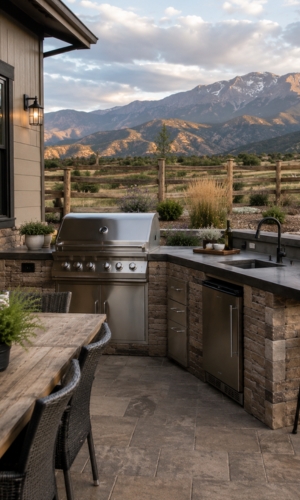
Materials That Survive Freeze-Thaw Cycles at 6,000+ Feet
Not every material sold for outdoor kitchens is built for what Colorado actually puts it through. Dense natural stone and low-absorption pavers hold up best, since porous materials trap water that expands when it freezes and slowly breaks the surface down over a few seasons. Stainless steel appliances and cabinetry rated for outdoor use resist the temperature swings better than budget options finished for milder climates. It’s worth asking directly what a product is rated for before installing it, since a lot of what’s sold at big box stores is built for a much gentler climate than the Front Range.
FAQ
Cost depends heavily on size, materials, and appliances, ranging from a simple grill island to a full kitchen with a fridge, sink, and covered structure. A walkthrough with clear material choices is the only way to get an accurate number instead of a national average that doesn’t reflect local material and labor costs.
It depends on the scope. Adding gas lines, electrical, or a permanent structure typically requires a permit, while a simple grill island on an existing patio often doesn’t. Checking with the city before starting avoids costly rework later.
Yes, with the right design. A covered kitchen with a nearby fire feature and proper winterization for water lines and appliances can realistically be used well into the colder months, not just June through August.
A cover protects materials and appliances from UV, hail, and snow load, and extends usable days across more of the year. An uncovered kitchen costs less upfront but needs materials rated to handle full sun and moisture exposure without a break.
Dense natural stone, low-absorption pavers, and stainless steel components rated for outdoor use perform best. Porous or budget materials tend to crack or fail within a few winters here.
According to the National Association of Realtors’ Remodeling Impact Report, outdoor kitchens recover close to their full project cost at resale and carry one of the highest satisfaction scores among outdoor improvements, making them one of the stronger investments homeowners can make in their backyard.
Designing an outdoor kitchen that actually holds up here takes more than picking a nice layout off the internet. If you’re planning one for your backyard, we’d be glad to walk your space and talk through what will actually last through a Colorado Springs winter. Check out our outdoor living services or read more in our original outdoor kitchen guide for additional design inspiration.